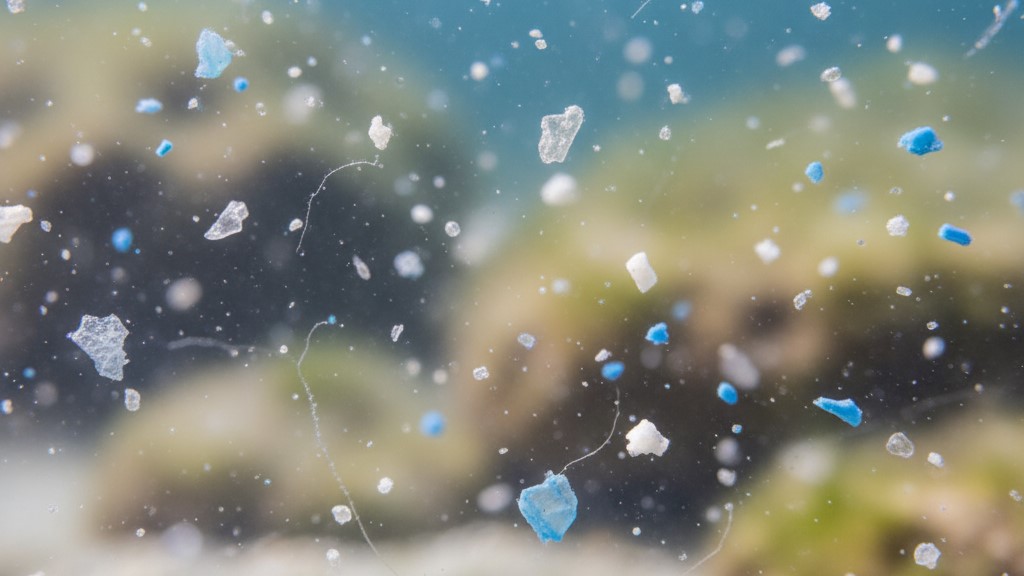
Microplastics are very small pieces of plastic, usually less than 5 mm in size. Although tiny, their impact on the environment and human health is significant.
They come from everyday products — bottles, packaging, textiles, and even cosmetics — and break down into particles that can travel through air, water, and soil.
Types of Microplastics
Primary Microplastics
Small plastic particles intentionally manufactured, such as microbeads in face scrubs or fibers from synthetic clothing.
Secondary Microplastics
Plastic fragments formed when larger plastic items break down over time.
Because of their size, microplastics can spread easily and enter our food and water systems.
Why Microplastics Are a Concern
Microplastics can carry harmful substances such as heavy metals and chemical additives. These can accumulate in the environment and, over time, in living organisms — including humans. While research continues, many experts agree that immediate action is needed to limit exposure and prevent further contamination.
Detecting and measuring microplastics is challenging due to their variations in size, shape, and material, which makes it difficult to obtain consistent results.
How to Address the Microplastic Problem
1. Prevention
Reduce plastic waste, improve recycling efficiency, and design products that shed fewer plastic particles.
2. Detection
Use accurate, validated testing methods and reference materials to better understand contamination levels and support regulatory decisions.
Certified Microplastic Reference Materials by LGC Dr Ehrenstorfer
To support high-quality research and testing, LGC Dr Ehrenstorfer introduces a new range of certified microplastic reference materials, including PE, PP, N66, and PET, designed to improve standardized testing methods.
Certified to ISO/IEC 17025, these standards offer reliable results, simplified preparation, and precise particle size distribution. With both fibres and spherical particles produced using advanced jet-milling technology, laboratories can confidently and efficiently test a complete range of microplastics.
Stay Ahead in Microplastic Analysis
✨ Stay ahead in microplastic analysis — trust LGC Standards for quality, accuracy, and innovation.